
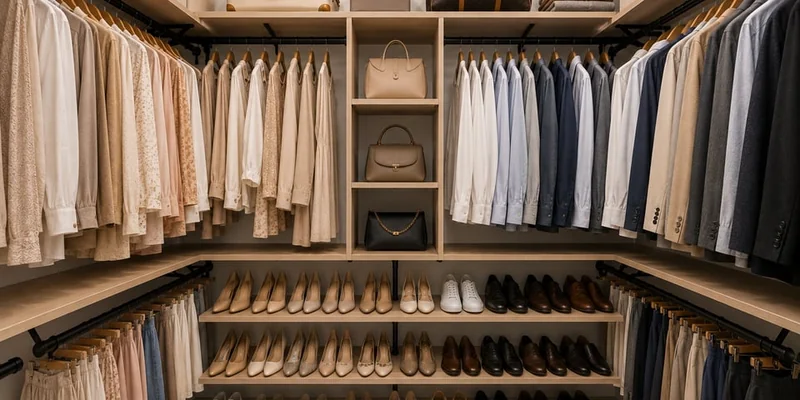
Decluttering your home can feel like a big task, especially when you have accumulated years of clothes, household items, decorations, and other belongings. The easiest way to manage it is to work through one room at a time and decide what you actually need.
This decluttering checklist will help you identify items you can donate, sell, recycle, or throw away. Use it as a starting point to clear unnecessary belongings and make each room easier to maintain.
Quick Decluttering Checklist: Things to Get Rid of Around the House
Before going room by room, start with items that commonly collect around the house. These are often easy to identify and remove.
- Broken or damaged household items you cannot repair.
- Expired food, medicines, and personal care products.
- Duplicate kitchen tools, utensils, and household supplies.
- Clothes, shoes, and accessories you no longer use.
- Old newspapers, magazines, and unnecessary paperwork.
- Outdated electronics, broken chargers, and unused cables.
- Empty bottles, boxes, and packaging.
- Decorations and accessories you no longer like.
- Unused furniture taking up valuable space.
- Old toys, games, and children’s items that are no longer used.
Living Room Decluttering Checklist
The living room often collects items from different parts of the house. Books, decorations, electronics, and everyday belongings can quickly make the space feel crowded.
Check for these items when decluttering your living room:
- Old magazines and newspapers: Recycle old reading materials you have already gone through. Keep only books and magazines you genuinely plan to read again.
- Unused decorations: Remove decorative pieces, artificial plants, and accessories that no longer suit your space.
- Broken electronics: Get rid of damaged remotes, outdated devices, and electronics you no longer use.
- Extra cushions and blankets: Keep enough for everyday use and remove worn-out or unnecessary extras.
- Unused furniture: Consider donating or selling side tables, chairs, and other furniture that takes up space without serving a purpose.
- Old DVDs and CDs: Clear out discs you no longer watch or listen to, especially if you have digital alternatives.
Kitchen Decluttering Checklist
The kitchen is one of the easiest places to accumulate unnecessary items. Duplicate utensils, expired food, and appliances you rarely use can take up valuable cabinet and counter space.
Use this checklist to clear out your kitchen:
- Expired food and pantry items: Check food packages, canned goods, and other stored ingredients. Discard anything expired or spoiled.
- Duplicate utensils: Remove extra spatulas, spoons, peelers, and other tools you rarely need.
- Chipped dishes and containers: Get rid of cracked plates, chipped cups, and damaged food storage containers.
- Unused appliances: Consider donating or selling appliances that have been sitting unused for months.
- Old spices and condiments: Check expiration dates and remove stale spices, old sauces, and condiments you no longer use.
- Extra mugs and glasses: Keep enough for your household and regular guests instead of filling cabinets with unused pieces.
- Reusable bags and packaging: Remove torn shopping bags, unnecessary packaging, and containers without matching lids.
Bedroom Decluttering Checklist
Your bedroom should have enough space for sleeping, getting dressed, and storing everyday belongings. However, old clothes, unused accessories, and extra bedding can gradually fill drawers and other storage areas.
Look for these items when decluttering your bedroom:
- Clothes you no longer wear: Remove clothes that no longer fit, feel uncomfortable, or have not been used in a long time.
- Worn-out shoes and accessories: Clear out damaged footwear, old belts, and accessories you no longer use.
- Old bedding and pillows: Replace torn sheets, worn-out pillowcases, and pillows that no longer provide proper support.
- Unused bags: Donate or sell handbags, backpacks, and travel bags that are still in good condition but rarely used.
- Items under the bed: Check storage boxes and remove anything you no longer need.
- Old decorations: Clear out unnecessary wall decorations, photo frames, and decorative pieces.
- Unused bedside items: Remove old books, empty bottles, and other belongings that have collected on your nightstand.
Bathroom Decluttering Checklist
Bathroom cabinets and shelves often become crowded with half-used products, expired toiletries, and old grooming tools. Clearing these items makes it easier to find what you need and keep surfaces clean.
Check for the following:
- Expired skincare products: Check expiration dates and discard products that are past their recommended use period.
- Old makeup: Remove expired makeup, dried-out products, and items you no longer use.
- Empty bottles: Get rid of empty shampoo, conditioner, body wash, and skincare containers.
- Worn-out towels: Replace towels that are heavily worn, damaged, or no longer absorb water properly.
- Unused grooming tools: Clear out broken hairbrushes, old razors, and grooming tools you no longer need.
- Old bath mats: Remove mats that are worn out, damaged, or difficult to clean.
- Extra toiletries: Keep only the products you regularly use and remove unnecessary duplicates.
Closet and Wardrobe Decluttering Checklist
Closets can become overcrowded even when you feel like you have nothing to wear. This usually happens because of clothes you no longer use, old accessories, and items kept for occasions that rarely come around.
Go through your wardrobe and remove:
- Clothes that no longer fit: Set aside clothes that are too small or too large and are unlikely to be worn again.
- Damaged clothing: Remove clothes with permanent stains, holes, or damage that cannot be repaired.
- Uncomfortable outfits: Clear out clothes you avoid wearing because of their fit, fabric, or style.
- Duplicate accessories: Keep the items you use most and remove unnecessary duplicates.
- Unused handbags and shoes: Donate or sell items that are still in good condition but have not been used.
- Old hangers: Remove broken hangers and extras that take up unnecessary space.
- Seasonal clothing you no longer wear: Check winter coats, summer outfits, and other seasonal pieces for items you no longer need.
Home Office Decluttering Checklist
A home office can quickly become cluttered with paperwork, stationery, electronics, and miscellaneous supplies. Keeping unnecessary items around can make it harder to find important documents and maintain an organized workspace.
Clear out these items:
- Old paperwork: Shred or recycle documents you no longer need. Keep important financial, legal, and personal records safely stored.
- Unused stationery: Remove dried-out pens, broken pencils, empty notebooks, and supplies you never use.
- Broken chargers and cables: Get rid of damaged cables and chargers for devices you no longer own.
- Outdated electronics: Remove old keyboards, mice, headphones, and other accessories that no longer work or serve a purpose.
- Empty folders and files: Clear out unnecessary folders, binders, and storage containers.
- Old notes and printouts: Recycle outdated notes, duplicate printouts, and papers that are no longer useful.
Laundry Room and Storage Area Decluttering Checklist
Laundry rooms and storage areas often become dumping grounds for things you do not know where to put. Go through these spaces carefully because they may contain items you have not used in years.
Look for the following:
- Empty detergent bottles: Recycle empty laundry detergent, fabric softener, and cleaning product containers.
- Old cleaning supplies: Remove expired or unusable products and dispose of them according to their labels.
- Broken laundry baskets: Get rid of damaged baskets, hampers, and drying racks.
- Extra hangers: Keep enough hangers for your laundry needs and remove unnecessary extras.
- Unused household items: Donate or sell items that are still useful but have been sitting in storage.
- Damaged seasonal decorations: Remove broken lights, damaged ornaments, and decorations you no longer use.
- Old storage boxes: Break down empty cardboard boxes and remove containers that no longer serve a purpose.
Garage and Entryway Decluttering Checklist
Garages and entryways often collect things that do not have a proper place elsewhere in the home. These spaces can become difficult to use when old equipment, shoes, tools, and miscellaneous belongings pile up.
Use this checklist to clear them out:
- Unused sports equipment: Donate or sell equipment for activities you no longer participate in.
- Broken tools: Remove damaged tools and accessories that cannot be repaired or safely used.
- Old shoes and coats: Clear out footwear, jackets, and outerwear that no one in the household wears.
- Unnecessary bags and umbrellas: Keep a few useful options and remove damaged or duplicate items.
- Old gardening supplies: Get rid of broken pots, damaged tools, and empty gardening product containers.
- Unused outdoor equipment: Check old furniture, camping gear, and other outdoor items you no longer need.
- Miscellaneous stored items: Go through boxes and remove belongings that have been sitting unused for years.
How to Use This Decluttering Checklist
A checklist can help you identify unnecessary belongings, but having a simple process makes the actual work easier. Follow these steps to avoid getting overwhelmed:
- Start with one room: Choose a manageable space instead of trying to declutter your entire home in one day.
- Work through each category: Use the checklist to identify items you no longer need. Check drawers, cabinets, shelves, and storage spaces.
- Create separate piles: Sort belongings into four categories: keep, donate, sell, and discard.
- Be realistic about what you need: Avoid keeping things simply because you might use them someday. Consider how often you actually use each item.
- Remove unwanted items: Take donations to a suitable location, arrange to sell useful belongings, and dispose of waste properly.
- Repeat the process: Review each room every few months to prevent unnecessary items from building up again.
Conclusion
Decluttering your home becomes easier when you break the work into smaller tasks. Use this room-by-room checklist to identify belongings you no longer need and decide what to keep, donate, sell, or discard.
You do not have to complete everything in one day. Start with one room, work through the list, and gradually make more space in your home.
Frequently Asked Questions
1. What should I get rid of first when decluttering?
Start with broken items, expired products, empty containers, and things you no longer use. These are usually the easiest items to remove.
2. How often should I declutter my home?
A quick decluttering session every few months can help prevent clutter from building up. Some areas, such as kitchen cabinets and bathroom storage, may need more frequent attention.
3. How do I declutter when I have too much stuff?
Start with one room or a small area instead of tackling the entire house. Sort items into keep, donate, sell, and discard piles.
4. What should I do with items I no longer need?
Donate usable items, sell belongings that still have value, and recycle or discard damaged items. Avoid keeping unwanted things in storage for too long.
5. How do I decide what to keep when decluttering?
Keep items you regularly use, genuinely need, or have meaningful personal value. Let go of things that only take up space without serving a purpose.