
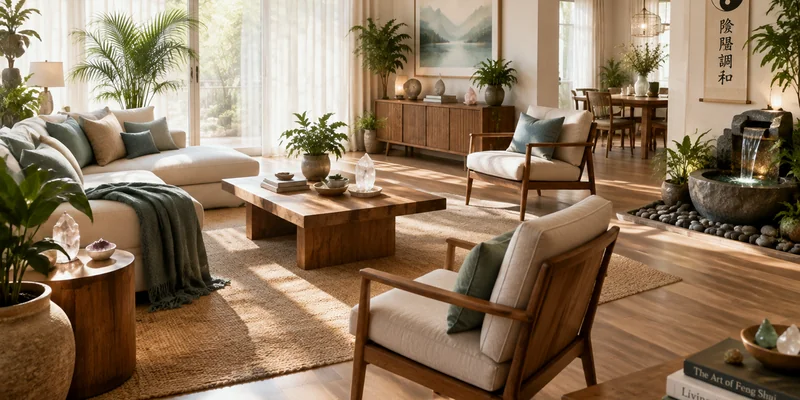
A cluttered home can make it harder to relax, focus, and enjoy your surroundings. Feng shui offers a simple way to arrange your living space by focusing on balance, open pathways, and thoughtful placement of belongings.
You do not need to buy new furniture or make major changes to follow its principles. Small steps, such as clearing crowded surfaces and organizing your bedroom, can help make your home feel more peaceful and comfortable.
What Is Feng Shui, and How Does It Relate to Decluttering?
Feng shui is a traditional Chinese practice that focuses on arranging spaces to support balance and harmony. It considers how furniture, objects, light, and room layouts affect the overall feel of a space.
One important concept in feng shui is chi, often described as the energy that flows through a space. According to feng shui principles, clutter can interfere with this flow and make a room feel crowded or unbalanced.
Decluttering helps create open space and makes it easier to move around your home. It also reduces the number of items you need to clean and organize. Although feng shui is a traditional practice rather than a scientifically proven method for improving well-being, its focus on clear spaces and thoughtful arrangements can help create a more comfortable home.
12 Simple Ways to Declutter Your Home With Feng Shui
You do not need to change your entire home at once. Start with a few small areas and work your way through each room.
1. Start With the Main Entrance
The main entrance is important in feng shui because it is traditionally seen as the place where energy enters the home. Keeping it clear and welcoming is a simple way to apply these principles.
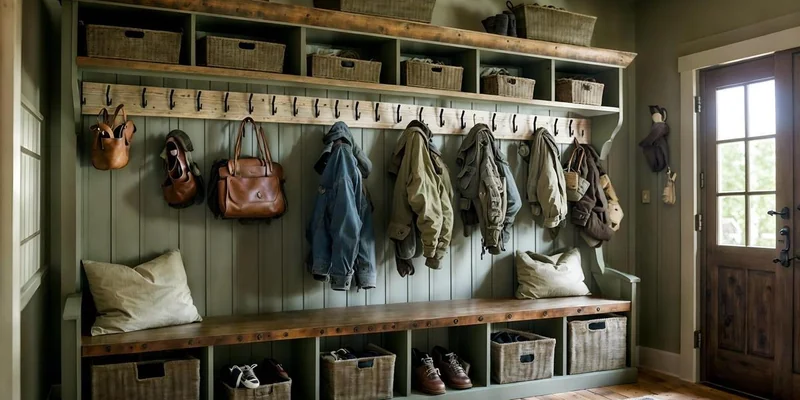
Remove shoes, bags, packages, and other items that collect near the door. Keep only the things you regularly use in this area, and find a suitable place for everything else.
Make sure the door can open fully without hitting anything. A clean entrance and clear pathway make it easier to enter and leave your home without dealing with unnecessary clutter.
2. Clear Clutter From Your Living Room
The living room is often where family members relax and spend time together. Too many objects can make this space feel crowded and leave less room for comfortable movement.
Remove old magazines, unused decorations, and items that belong in other rooms. Clear coffee tables and side tables so you have enough space for everyday activities.
Check your furniture arrangement, too. Keep walking paths open and make sure chairs and sofas are easy to access. You can still display your favorite decorations, but leaving some surfaces empty helps the room feel less busy.
3. Make Your Bedroom a Restful Space
Feng shui places particular importance on the bedroom because it is a place for rest. A tidy bedroom can also make your daily routine easier by giving you fewer things to clean and organize.
Start with your bedside tables, dresser, and floor. Remove dirty laundry, unused items, and objects that do not belong in the bedroom. Keep useful items, such as a book or lamp, within easy reach.
If possible, keep the space under your bed clear instead of using it to store random belongings. If you need the extra storage, keep items neatly organized rather than allowing them to pile up.
4. Keep Your Kitchen Counters Clear
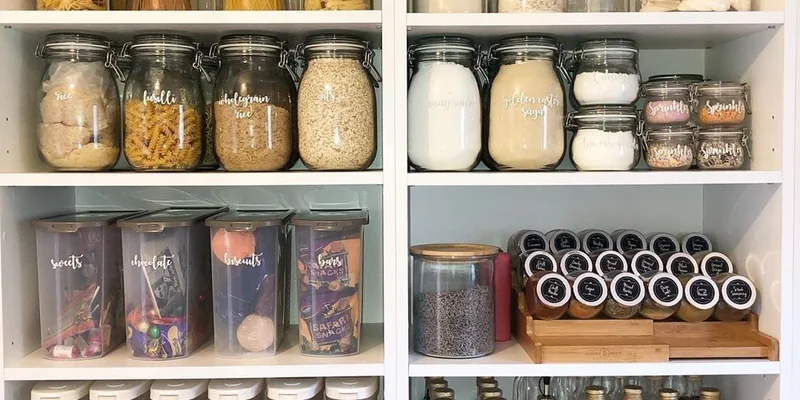
The kitchen can quickly become cluttered with appliances, food packages, dishes, and small household items. Clearing these surfaces makes cooking easier and helps the room feel more organized.
Put away appliances you rarely use if you have suitable storage space. Remove expired food from cupboards and the refrigerator, and return ingredients to their proper places after cooking.
Try to keep the sink and main food preparation area clear. You do not have to empty every counter, but leaving enough open space makes everyday tasks easier.
5. Organize Your Bathroom
Bathrooms often contain small items that take up space without serving a useful purpose. Expired skincare products, empty bottles, and unused toiletries can quickly fill drawers and counters.
Go through your bathroom supplies and remove anything you no longer use. Group similar items together, such as hair products, skincare products, and cleaning supplies.
Use drawers or small baskets to keep the remaining items organized. Keep frequently used products easy to reach and leave some counter space open. This makes the bathroom easier to clean and gives it a less crowded appearance.
6. Remove Items You No Longer Need
One simple way to apply feng shui principles is to reduce unnecessary belongings. Items you no longer use can take up valuable space and make it harder to keep rooms organized.
Choose one category at a time, such as clothing, books, kitchen tools, or decorations. Decide which items you use regularly, which have personal value, and which you can let go of.
Donate useful items that are still in good condition, recycle what you can, and dispose of anything that cannot be reused. You do not need to get rid of every sentimental object. The goal is to keep things that serve a purpose or matter to you without allowing them to overwhelm your space.
7. Keep Walkways and Doorways Open
Clear pathways are important in feng shui because they allow people to move easily through a room. Open walkways also make a home safer and more comfortable to use.
Move boxes, laundry baskets, and other objects away from doorways and narrow passages. Check whether furniture blocks access to windows, closets, or other parts of the room.
If a room feels crowded, consider moving a piece of furniture or removing something you rarely use. You may not need to buy anything new. A small change in furniture placement can make a room feel more open.
8. Let Natural Light Into Your Home
Natural light can make a room feel brighter and more inviting. Feng shui also emphasizes light and the overall feel of a space, so keeping windows clear is a useful place to start.
Remove unnecessary items from windowsills and move furniture that blocks sunlight when practical. Open curtains or blinds during the day when privacy and weather conditions allow.
If a room receives little natural light, use suitable lamps to brighten darker areas. You can also choose lighter curtains that allow more daylight into the room.
9. Use Mirrors Thoughtfully
Mirrors are used in feng shui to reflect light and create a sense of space. Their placement matters because a mirror can also reflect clutter and make a busy area feel even more crowded.
Place mirrors where they can reflect natural light or a pleasant part of the room. For example, a mirror opposite a window may help spread light throughout the space.
Avoid placing mirrors where they reflect piles of laundry or crowded shelves. You do not need several mirrors in every room. One well-placed mirror can be enough.
10. Choose Decorations With Care
Decorations make a home feel personal, but too many objects on shelves, tables, and walls can create visual clutter. Feng shui encourages thoughtful arrangements that support a balanced feel.
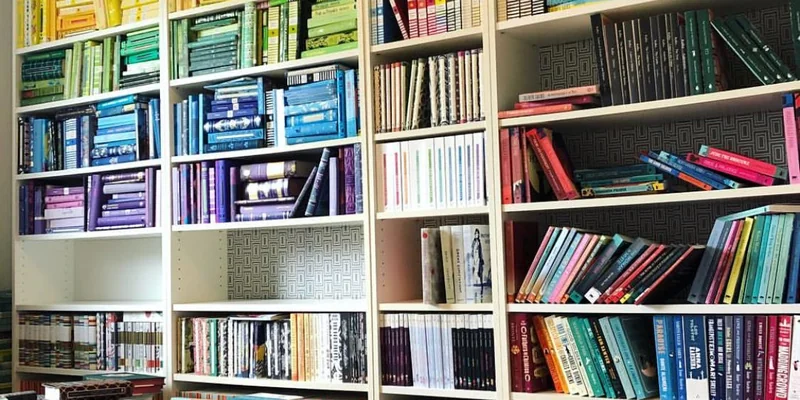
Choose a few items you enjoy looking at, such as family photographs, artwork, or meaningful keepsakes. Give these objects enough space so they do not blend into a crowded display.
You can rotate decorations throughout the year instead of displaying everything at once. Store the items you are not using and bring them out when you want a change.
11. Bring in Plants and Natural Elements
Feng shui often uses natural elements to create a sense of balance. Plants, wood, stone, and natural fabrics can add warmth and interest to a room.
If you enjoy plants, place one or two in suitable areas where they can receive the light and care they need. Remove dead leaves and avoid keeping unhealthy plants simply for decoration.
You can also use wooden furniture or natural fabric cushions to bring a natural feel to your home. You do not need to buy new items if you already have suitable pieces.
Keep these additions limited. The aim is to make the room feel comfortable without replacing one form of clutter with another.
12. Create a Simple Daily Reset Routine
Decluttering becomes easier when you prevent small messes from building up. A short daily routine can help you maintain the changes you have made.
Spend five to ten minutes putting things back in their places. Return books to shelves, place dirty clothes in a laundry basket, clear kitchen counters, and remove misplaced items from tables.
Choose a time that fits your routine, such as before bed or after dinner. You can also focus on one room each day if managing the whole house feels like too much work.
How to Declutter Using the Feng Shui Bagua Map
The bagua map is a feng shui tool that connects different areas of a home with aspects of life. Depending on the method used, these areas may relate to wealth, relationships, health, career, and knowledge.
Some people use the map to decide which parts of their homes to organize first. For example, you might begin with your bedroom to create a more restful space or clear your desk to make working easier.
Bagua methods can differ, so applying the map may require learning the specific approach you want to follow. Beginners do not need to follow every rule to benefit from decluttering.
Start with practical changes that make sense for your home. Clear crowded surfaces, improve storage, and create open walking paths. You can explore the bagua map later if you want to learn more about traditional feng shui.
Common Feng Shui Decluttering Mistakes to Avoid
Avoid these common mistakes when decluttering your home with feng shui.
- Doing too much at once: Start with one room or small area to avoid feeling overwhelmed.
- Keeping items out of guilt: Let go of things you no longer need while keeping meaningful belongings.
- Buying too many organizers: Reduce clutter before buying storage boxes or baskets.
- Following rules too strictly: Focus on what makes your home comfortable and practical.
- Expecting instant results: Make small, lasting changes instead of trying to perfect every room at once.
Final Words
Decluttering with feng shui can help make your home feel more open, balanced, and comfortable. Clearing entrances, organizing bedrooms, letting in natural light, and keeping walkways open are practical changes that cost little or nothing.
Start with one small area and build from there. By removing unnecessary items and developing simple daily habits, you can create a home that better supports your comfort and everyday needs.
People Also Ask
1. How Does Feng Shui Help With Decluttering?
Feng shui encourages clear spaces, open pathways, and thoughtful furniture placement. These changes can make your home feel more organized and comfortable.
2. What Should You Declutter First in Feng Shui?
Start with your main entrance because feng shui considers it an important entry point for energy. Remove shoes, bags, and other items that block the doorway.
3. What Should You Remove From Your Bedroom According to Feng Shui?
Remove unnecessary items, dirty laundry, and clutter from bedside tables and floors. Keep the space tidy to create a more restful environment.
4. Does Feng Shui Require You to Get Rid of Everything?
No, feng shui does not require you to remove all your belongings. Keep useful and meaningful items while clearing things you no longer need.
5. How Often Should You Declutter Your Home With Feng Shui?
Do small decluttering tasks daily and review crowded areas every few weeks. Regular upkeep helps prevent clutter from building up again.
Leave a Reply