
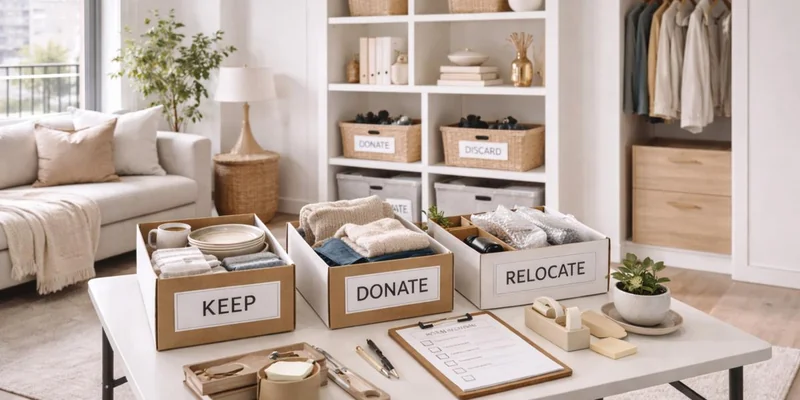
Decluttering your home does not have to involve a major cleanup or an entire weekend of hard work. Sometimes, getting rid of a few unnecessary items is enough to make a room feel cleaner and more organized.
Many homes contain things that are no longer useful, from expired products and old paperwork to clothes that haven’t been worn in years.
If you are unsure where to start, focus on items that are easy to identify and remove. Here are 20 things you can let go of today to reduce clutter and make more space in your home.
20 Things You Can Get Rid of When Decluttering Your Home
You do not need to clear out everything at once. Start with a few items from this list and work through the rest when you have time.
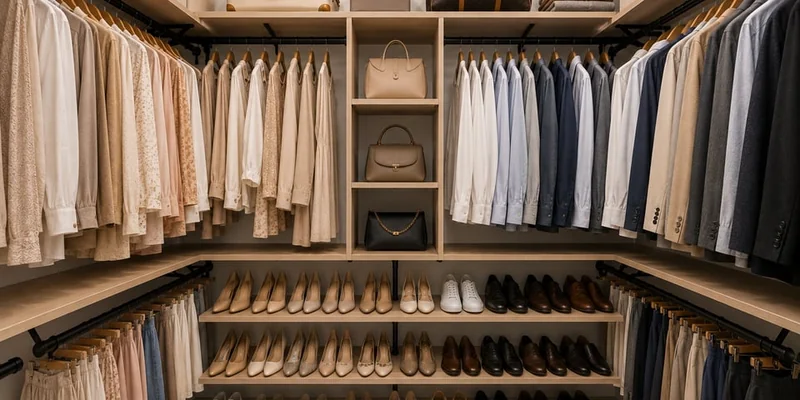
1. Clothes You No Longer Wear
Go through your wardrobe and look for clothes you haven’t worn in a long time. This includes outdated outfits, uncomfortable pieces, and clothes that no longer fit.
If you keep certain clothes because you might wear them someday, consider whether that is actually likely. Donate wearable clothes that are still in good condition and discard anything that is too damaged to use.
2. Shoes You Never Use
Old shoes can take up a surprising amount of space in your wardrobe or shoe rack. Look for pairs that no longer fit, are uncomfortable, or have been sitting unused for months.
Keep the shoes you wear regularly and let go of the rest. You can donate gently used pairs or recycle them if a suitable program is available.
3. Expired Food and Pantry Items
Check your kitchen cabinets, pantry, and refrigerator for expired food. Old spices, sauces, canned goods, snacks, and forgotten ingredients can take up valuable storage space.
Also, remove food that has lost its quality or shows signs of spoilage. Organize the remaining items so you can easily see what you already have and avoid buying duplicates.
4. Old Makeup and Skincare Products
Makeup and skincare products do not last forever. Expired creams, dried-up mascaras, old lipsticks, and products that have changed in smell or texture should be removed.
Check the expiry dates and the period-after-opening symbols on product packaging. Keeping fewer products also makes your bathroom shelves and drawers easier to organize.
5. Empty Bottles and Containers
Many people keep empty shampoo bottles, lotion containers, jars, and other packaging because they might need them later.
However, these items can quickly pile up under sinks and inside kitchen cabinets. Keep only containers you regularly reuse and recycle or discard the rest.
6. Old Receipts and Unnecessary Paperwork
Go through your drawers and remove old shopping receipts, delivery slips, expired coupons, and documents you no longer need.
Some paperwork, such as tax records, warranties, property documents, and important financial statements, should be kept for the required period. Shred sensitive documents before throwing them away.
7. Broken Household Items
Look around your home for broken chairs, damaged kitchen tools, faulty lamps, and other items that have been waiting for repairs.
If something is inexpensive to replace and you have no realistic plan to fix it, consider letting it go. You can keep items that are worth repairing, but avoid allowing unfinished repairs to become permanent clutter.
8. Unused Kitchen Gadgets
Kitchen cabinets often contain gadgets and utensils that seemed useful when purchased but are rarely used.
Look for duplicate peelers, old chopping tools, unused baking equipment, and single-purpose gadgets. Keep the items that make cooking easier and donate or discard the rest.
9. Old Electronics and Cables
Check your drawers for outdated phones, broken chargers, unused headphones, old remote controls, and tangled cables.
If you no longer own the devices they belong to, there is little reason to keep them. Take working electronics to a suitable donation or resale option and use an electronic waste recycling service for damaged devices.
10. Duplicate Household Supplies
You may have several pairs of scissors, multiple tape dispensers, extra measuring cups, or more cleaning brushes than you need.
Keeping a few backups is reasonable, but unnecessary duplicates take up storage space. Choose the best versions and donate or pass on the extras.
11. Old Towels and Bed Sheets
Check your linen closet for worn-out towels, faded bedsheets, mismatched pillowcases, and blankets that are no longer used.
Keep enough clean linens for regular use and a small number of spares. Clean, usable items can be donated, while heavily damaged textiles may be suitable for textile recycling or cleaning rags.
12. Unused Toys and Games
Children often outgrow toys, board games, and puzzles. Some items may also be incomplete, broken, or no longer interesting.
Sort through toy boxes and remove things your family no longer uses. Donate clean toys in good condition, and check that games and puzzles have their essential pieces before passing them on.
13. Old Magazines and Newspapers
Stacks of old magazines, newspapers, and catalogs can make tables, shelves, and storage areas look messy.
Keep only the editions you genuinely want to read again or use for reference. Recycle the rest, especially if they have been sitting untouched for months.
14. Unused Decorative Items
Decorations can make a home feel more personal, but too many can create visual clutter. Look at your shelves, tables, and cabinets for ornaments, artificial flowers, picture frames, and decorative pieces you no longer like.
You do not need to remove every decoration. Keep the items that add something to your space and let go of those that simply collect dust.
15. Old Cleaning Products
Check your cleaning cupboard for empty bottles, expired products, dried-up cleaners, and supplies you no longer use.
Keep the products needed for your regular cleaning routine instead of storing several alternatives for the same purpose. Follow the label instructions when disposing of cleaning chemicals, and never mix different cleaning products.
16. Unused Bags and Backpacks
Most homes have extra shopping bags, old purses, backpacks, and reusable totes stored in closets or drawers.
Keep a reasonable number of reusable bags and the backpacks or purses you actually use. Donate bags that are still in good condition and discard damaged ones that cannot be repaired.
17. Old Bedding and Pillows
Pillows lose their shape and support over time, while old blankets and bedding can become worn or uncomfortable.
Check the condition of your bedding and remove anything that is no longer suitable for use. Donate clean items that meet local donation requirements and dispose of heavily damaged ones responsibly.
18. Unused Hobby and Craft Supplies
If you have tried different hobbies over the years, you may have leftover paint, fabric, yarn, notebooks, art supplies, or DIY materials.
Keep the supplies for hobbies you still enjoy. Pass on usable materials to someone who can use them, and safely dispose of dried-up or damaged products.
19. Old Phone Accessories and Promotional Items
Promotional pens, free keychains, unused phone cases, outdated screen protectors, and random giveaways often end up in drawers.
These small items may not seem like a problem individually, but they can accumulate over time. Keep the accessories you actually use and remove the rest.
20. Items You Are Keeping Just in Case
Some of the hardest things to remove are items you do not use but keep because you might need them someday.
This could include extra containers, old packaging, unused furniture, spare household items, or clothes saved for an unlikely occasion.
Before keeping something, ask yourself when you last used it and whether replacing it would be difficult or expensive. If it has no clear purpose and is easy to replace, it may be time to let it go.
How to Make Decluttering Easier
Once you have identified the things you can remove, use a simple process to avoid making a bigger mess.
- Start with one area: Choose a single drawer, shelf, or cupboard instead of emptying an entire room.
- Use separate piles: Sort items into keep, donate, sell, recycle, and discard groups.
- Set a time limit: Spend 15 to 30 minutes decluttering instead of trying to finish the whole house in one day.
- Avoid moving clutter around: Do not simply transfer unused items from one room to another.
- Remove unwanted items promptly: Take donations to a suitable location and dispose of rubbish instead of leaving sorted piles around the house.
- Keep useful items accessible: Store frequently used belongings where you can easily reach them.
Also, avoid buying new storage boxes before decluttering. You may find that you already have enough storage space once unnecessary items are removed.
Final Words
Decluttering your home becomes easier when you focus on items you no longer use, need, or enjoy. Old clothes, expired products, broken household items, unused electronics, and unnecessary paperwork are all good places to start.
You do not have to get rid of 20 things in one day. Even removing five or six unnecessary items can make a difference. Work through one area at a time and make a habit of letting go of things that no longer serve a purpose.
Leave a Reply