
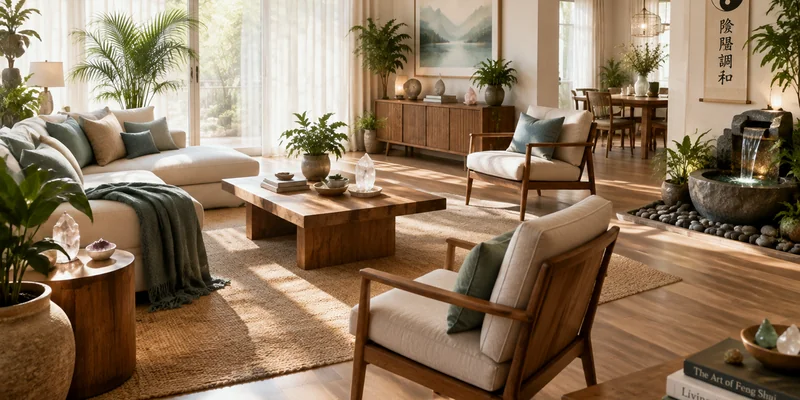
Author: CleanHome

  • Decluttering With Feng Shui: Simple Changes for a Calmer Home

    Decluttering With Feng Shui: Simple Changes for a Calmer Home

    A cluttered home can make it harder to relax, focus, and enjoy your surroundings. Feng shui offers a simple way to arrange your living space by focusing on balance, open pathways, and thoughtful placement of belongings.

    You do not need to buy new furniture or make major changes to follow its principles. Small steps, such as clearing crowded surfaces and organizing your bedroom, can help make your home feel more peaceful and comfortable.

    What Is Feng Shui, and How Does It Relate to Decluttering?

    Feng shui is a traditional Chinese practice that focuses on arranging spaces to support balance and harmony. It considers how furniture, objects, light, and room layouts affect the overall feel of a space.

    One important concept in feng shui is chi, often described as the energy that flows through a space. According to feng shui principles, clutter can interfere with this flow and make a room feel crowded or unbalanced.

    Decluttering helps create open space and makes it easier to move around your home. It also reduces the number of items you need to clean and organize. Although feng shui is a traditional practice rather than a scientifically proven method for improving well-being, its focus on clear spaces and thoughtful arrangements can help create a more comfortable home.

    12 Simple Ways to Declutter Your Home With Feng Shui

    You do not need to change your entire home at once. Start with a few small areas and work your way through each room.

    1. Start With the Main Entrance

    The main entrance is important in feng shui because it is traditionally seen as the place where energy enters the home. Keeping it clear and welcoming is a simple way to apply these principles.

    Remove shoes, bags, packages, and other items that collect near the door. Keep only the things you regularly use in this area, and find a suitable place for everything else.

    Make sure the door can open fully without hitting anything. A clean entrance and clear pathway make it easier to enter and leave your home without dealing with unnecessary clutter.

    2. Clear Clutter From Your Living Room

    The living room is often where family members relax and spend time together. Too many objects can make this space feel crowded and leave less room for comfortable movement.

    Remove old magazines, unused decorations, and items that belong in other rooms. Clear coffee tables and side tables so you have enough space for everyday activities.

    Check your furniture arrangement, too. Keep walking paths open and make sure chairs and sofas are easy to access. You can still display your favorite decorations, but leaving some surfaces empty helps the room feel less busy.

    3. Make Your Bedroom a Restful Space

    Feng shui places particular importance on the bedroom because it is a place for rest. A tidy bedroom can also make your daily routine easier by giving you fewer things to clean and organize.

    Start with your bedside tables, dresser, and floor. Remove dirty laundry, unused items, and objects that do not belong in the bedroom. Keep useful items, such as a book or lamp, within easy reach.

    If possible, keep the space under your bed clear instead of using it to store random belongings. If you need the extra storage, keep items neatly organized rather than allowing them to pile up.

    4. Keep Your Kitchen Counters Clear

    The kitchen can quickly become cluttered with appliances, food packages, dishes, and small household items. Clearing these surfaces makes cooking easier and helps the room feel more organized.

    Put away appliances you rarely use if you have suitable storage space. Remove expired food from cupboards and the refrigerator, and return ingredients to their proper places after cooking.

    Try to keep the sink and main food preparation area clear. You do not have to empty every counter, but leaving enough open space makes everyday tasks easier.

    5. Organize Your Bathroom

    Bathrooms often contain small items that take up space without serving a useful purpose. Expired skincare products, empty bottles, and unused toiletries can quickly fill drawers and counters.

    Go through your bathroom supplies and remove anything you no longer use. Group similar items together, such as hair products, skincare products, and cleaning supplies.

    Use drawers or small baskets to keep the remaining items organized. Keep frequently used products easy to reach and leave some counter space open. This makes the bathroom easier to clean and gives it a less crowded appearance.

    6. Remove Items You No Longer Need

    One simple way to apply feng shui principles is to reduce unnecessary belongings. Items you no longer use can take up valuable space and make it harder to keep rooms organized.

    Choose one category at a time, such as clothing, books, kitchen tools, or decorations. Decide which items you use regularly, which have personal value, and which you can let go of.

    Donate useful items that are still in good condition, recycle what you can, and dispose of anything that cannot be reused. You do not need to get rid of every sentimental object. The goal is to keep things that serve a purpose or matter to you without allowing them to overwhelm your space.

    7. Keep Walkways and Doorways Open

    Clear pathways are important in feng shui because they allow people to move easily through a room. Open walkways also make a home safer and more comfortable to use.

    Move boxes, laundry baskets, and other objects away from doorways and narrow passages. Check whether furniture blocks access to windows, closets, or other parts of the room.

    If a room feels crowded, consider moving a piece of furniture or removing something you rarely use. You may not need to buy anything new. A small change in furniture placement can make a room feel more open.

    8. Let Natural Light Into Your Home

    Natural light can make a room feel brighter and more inviting. Feng shui also emphasizes light and the overall feel of a space, so keeping windows clear is a useful place to start.

    Remove unnecessary items from windowsills and move furniture that blocks sunlight when practical. Open curtains or blinds during the day when privacy and weather conditions allow.

    If a room receives little natural light, use suitable lamps to brighten darker areas. You can also choose lighter curtains that allow more daylight into the room.

    9. Use Mirrors Thoughtfully

    Mirrors are used in feng shui to reflect light and create a sense of space. Their placement matters because a mirror can also reflect clutter and make a busy area feel even more crowded.

    Place mirrors where they can reflect natural light or a pleasant part of the room. For example, a mirror opposite a window may help spread light throughout the space.

    Avoid placing mirrors where they reflect piles of laundry or crowded shelves. You do not need several mirrors in every room. One well-placed mirror can be enough.

    10. Choose Decorations With Care

    Decorations make a home feel personal, but too many objects on shelves, tables, and walls can create visual clutter. Feng shui encourages thoughtful arrangements that support a balanced feel.

    Choose a few items you enjoy looking at, such as family photographs, artwork, or meaningful keepsakes. Give these objects enough space so they do not blend into a crowded display.

    You can rotate decorations throughout the year instead of displaying everything at once. Store the items you are not using and bring them out when you want a change.

    11. Bring in Plants and Natural Elements

    Feng shui often uses natural elements to create a sense of balance. Plants, wood, stone, and natural fabrics can add warmth and interest to a room.

    If you enjoy plants, place one or two in suitable areas where they can receive the light and care they need. Remove dead leaves and avoid keeping unhealthy plants simply for decoration.

    You can also use wooden furniture or natural fabric cushions to bring a natural feel to your home. You do not need to buy new items if you already have suitable pieces.

    Keep these additions limited. The aim is to make the room feel comfortable without replacing one form of clutter with another.

    12. Create a Simple Daily Reset Routine

    Decluttering becomes easier when you prevent small messes from building up. A short daily routine can help you maintain the changes you have made.

    Spend five to ten minutes putting things back in their places. Return books to shelves, place dirty clothes in a laundry basket, clear kitchen counters, and remove misplaced items from tables.

    Choose a time that fits your routine, such as before bed or after dinner. You can also focus on one room each day if managing the whole house feels like too much work.

    How to Declutter Using the Feng Shui Bagua Map

    The bagua map is a feng shui tool that connects different areas of a home with aspects of life. Depending on the method used, these areas may relate to wealth, relationships, health, career, and knowledge.

    Some people use the map to decide which parts of their homes to organize first. For example, you might begin with your bedroom to create a more restful space or clear your desk to make working easier.

    Bagua methods can differ, so applying the map may require learning the specific approach you want to follow. Beginners do not need to follow every rule to benefit from decluttering.

    Start with practical changes that make sense for your home. Clear crowded surfaces, improve storage, and create open walking paths. You can explore the bagua map later if you want to learn more about traditional feng shui.

    Common Feng Shui Decluttering Mistakes to Avoid

    Avoid these common mistakes when decluttering your home with feng shui.

    • Doing too much at once: Start with one room or small area to avoid feeling overwhelmed.
    • Keeping items out of guilt: Let go of things you no longer need while keeping meaningful belongings.
    • Buying too many organizers: Reduce clutter before buying storage boxes or baskets.
    • Following rules too strictly: Focus on what makes your home comfortable and practical.
    • Expecting instant results: Make small, lasting changes instead of trying to perfect every room at once.

    Final Words

    Decluttering with feng shui can help make your home feel more open, balanced, and comfortable. Clearing entrances, organizing bedrooms, letting in natural light, and keeping walkways open are practical changes that cost little or nothing.

    Start with one small area and build from there. By removing unnecessary items and developing simple daily habits, you can create a home that better supports your comfort and everyday needs.

    People Also Ask

    1. How Does Feng Shui Help With Decluttering?

    Feng shui encourages clear spaces, open pathways, and thoughtful furniture placement. These changes can make your home feel more organized and comfortable.

    2. What Should You Declutter First in Feng Shui?

    Start with your main entrance because feng shui considers it an important entry point for energy. Remove shoes, bags, and other items that block the doorway.

    3. What Should You Remove From Your Bedroom According to Feng Shui?

    Remove unnecessary items, dirty laundry, and clutter from bedside tables and floors. Keep the space tidy to create a more restful environment.

    4. Does Feng Shui Require You to Get Rid of Everything?

    No, feng shui does not require you to remove all your belongings. Keep useful and meaningful items while clearing things you no longer need.

    5. How Often Should You Declutter Your Home With Feng Shui?

    Do small decluttering tasks daily and review crowded areas every few weeks. Regular upkeep helps prevent clutter from building up again.
  • Decluttering Made Easy: 15 Ways to Clear Clutter Without the Stress

    Decluttering Made Easy: 15 Ways to Clear Clutter Without the Stress

    Clutter can make your home feel messy and leave you unsure where to start cleaning. From crowded kitchen counters to overflowing closets, too many belongings can make everyday tasks harder.

    However, you do not need to clear everything in one day to make a difference. Small steps can help you create more space without feeling overwhelmed. With a few simple habits, you can remove unwanted items, organize the things you use, and keep your home tidy with less effort.

    1. Start With One Small Area

    Looking at an entire messy room can make decluttering feel like a huge task. Instead of trying to clean everything at once, choose one small area, such as a drawer, shelf, or bedside table.

    Remove the items from that area and decide what to keep, donate, or throw away. Once you finish, move on to another small section. This approach helps you see progress without creating a bigger mess throughout the house.

    2. Set a Short Timer

    You do not need to spend hours decluttering to make progress. Set a timer for 10 to 15 minutes and focus on one task until the time is up.

    For example, you could spend 10 minutes sorting bathroom products or 15 minutes clearing a kitchen drawer. Short sessions are easier to fit into a busy day and can help you avoid getting tired.

    If you still have energy after the timer ends, you can continue. Otherwise, stop and return to the task another day.

    3. Declutter One Item at a Time

    Trying to make decisions about dozens of belongings at once can become tiring. Instead, pick up one item at a time and decide whether you still need it.

    Ask yourself a few simple questions. Do you use it regularly? Is it in good condition? Does it serve a purpose in your home? If you no longer need it, consider donating, selling, or discarding it.

    This method keeps the process simple and helps you avoid moving items from one pile to another without making decisions.

    4. Use the Four-Box Method

    The four-box method gives you a simple way to sort belongings while decluttering. Take four boxes, baskets, or bags and label them:

    • Keep: Items you use or want to keep.
    • Donate: Useful items that someone else could use.
    • Sell: Items in good condition that have resale value.
    • Discard: Broken, damaged, or unusable items that cannot be repaired or reused.

    As you go through a space, place each item in the appropriate box. This keeps your decisions organized and prevents unwanted belongings from getting mixed up with things you plan to keep.

    Once you finish, put away the items you are keeping and deal with the other boxes promptly.

    5. Start With Easy Decisions

    Some belongings are easy to remove, while others can take much longer to sort through. Starting with difficult decisions can make the entire process feel stressful.

    Begin with things you clearly no longer need, such as expired products, empty packaging, broken household items, and old papers with no useful information.

    Leave sentimental belongings, gifts, and items with personal meaning for later. Once you have cleared some space and built momentum, you may find it easier to decide what to do with them.

    6. Follow the One-In, One-Out Rule

    The one-in, one-out rule helps prevent clutter from building up again. Whenever you bring a new item into your home, remove an existing item of the same type.

    For example, if you buy a new shirt, consider donating one you no longer wear. If you purchase a new kitchen utensil, check whether you already have one that can be removed.

    You do not have to apply this rule to every item you own. It works especially well for clothes, shoes, kitchenware, books, and other belongings you tend to collect over time.

    7. Clear Flat Surfaces First

    Tables, countertops, desks, and dressers can quickly become cluttered because they provide convenient places to leave things. Clearing these surfaces can make a room look tidier without requiring a complete reorganization.

    Start by removing items that do not belong there. Put away papers, return dishes to the kitchen, and move personal belongings to their proper places.

    Keep only the items you use regularly or want to display. You can leave a few decorative pieces on a table or shelf, but avoid filling every available space.

    8. Declutter Your Clothes in Small Batches

    Clothing can take up a lot of space, especially when closets contain items you rarely wear. However, sorting through every piece of clothing at once can be tiring.

    Start with one category, such as shirts, trousers, shoes, or jackets. Keep the items you wear and feel comfortable in. Set aside anything that no longer fits, is damaged beyond repair, or has not been useful for a long time.

    You can also create a separate pile for clothes you are unsure about. Revisit those items later instead of forcing yourself to make every decision immediately.

    Once you finish, arrange the remaining clothes so they are easy to see and reach.

    9. Get Rid of Duplicate Items

    It is easy to collect multiple versions of the same household item. You might have several kitchen utensils, water bottles, storage containers, or cleaning tools even though you only use a few.

    Check these items and decide how many you actually need. Keep enough to suit your household and daily routine, then donate useful extras or discard damaged ones.

    You do not have to remove every duplicate. Extra plates, towels, or utensils may be useful if you have a large family or regularly host guests. The goal is to remove unnecessary items, not make your home less practical.

    10. Give Every Item a Home

    Clutter often builds up when belongings do not have a specific place to go. Without a clear storage spot, items end up on tables, chairs, countertops, and other available surfaces.

    Assign a home to everyday belongings. Keep keys near the entrance, store cleaning products in one designated area, and place chargers where you usually use them.

    Choose storage locations that make sense for your routine. Items you use frequently should be easy to reach, while things you rarely need can go on higher shelves or in less accessible storage spaces.

    When everything has a place, tidying up becomes easier because you know where each item belongs.

    11. Use a Simple Keep-or-Remove Checklist

    If you struggle to decide what to do with certain belongings, use a short checklist to guide your choices.

    Ask yourself:

    • Have I used this item recently?
    • Do I need it for a specific purpose?
    • Is it in good condition?
    • Do I have enough space to store it?
    • Would I choose to keep it if I were organizing my home from scratch?

    You do not need to answer every question for every item. Use the ones that help you make a clear decision.

    If something is useful, meaningful, or necessary, keeping it makes sense. If you have no real use for it and it takes up valuable space, consider letting it go.

    12. Deal With Paper Clutter Immediately

    Mail, receipts, bills, instruction manuals, and old documents can pile up quickly. If you leave them in random places, they can make desks, drawers, and countertops look messy.

    Sort papers into three basic groups: keep, act on, and discard. File important documents, handle bills or forms that need attention, and recycle papers you no longer need.

    Be careful with documents containing personal or financial information. Shred them before disposal when appropriate.

    You can also reduce future clutter by switching to digital bills and statements when convenient. Keep essential physical documents in labeled folders so you can find them when needed.

    13. Declutter Sentimental Items Gradually

    Getting rid of sentimental belongings can be harder than removing ordinary household items. Old photographs, gifts, letters, and souvenirs may remind you of important people or experiences.

    You do not need to discard these items simply because they take up space. Instead, decide which belongings are most meaningful to you and how much room you can reasonably give them.

    Start with a small collection rather than opening every box of keepsakes. You could keep your favorite photographs in an album or store special letters in one box.

    For items you want to remember but do not need to keep physically, consider taking photographs of them. This gives you a way to revisit the memories without storing every object.

    14. Donate or Remove Unwanted Items Promptly

    After sorting your belongings, do not leave unwanted items sitting around for weeks. Donation bags and boxes can become another source of clutter if you forget to deal with them.

    Choose a specific day to take donations to a local charity or arrange a pickup if that service is available. You can also offer useful items to friends or family members who need them.

    Check that donated belongings are clean and in usable condition. Recycle or dispose of damaged items responsibly when possible.

    If you plan to sell something, give yourself a reasonable deadline. If it does not sell, consider another option rather than letting it occupy space indefinitely.

    15. Create a Simple Daily Reset Routine

    Decluttering becomes easier when you spend a little time maintaining the spaces you have already cleared. A short daily reset can prevent small messes from turning into larger tasks.

    Spend five to ten minutes putting things back where they belong. Return dishes to the kitchen, fold blankets, clear frequently used surfaces, and put away items left out during the day.

    Focus on the areas that become messy most often. You might need to reset your living room every evening but only organize a guest room occasionally.

    Keep the routine simple enough to follow regularly. You do not need to make your home look perfect every day. The aim is to keep clutter under control without spending too much time cleaning.

    Final Words

    Decluttering does not have to be a stressful or time-consuming task. Starting with small areas, setting short timers, and making simple decisions can help you clear unwanted belongings at a comfortable pace.

    Once you have more space, a few daily habits can prevent clutter from returning. You do not need to finish your entire home in one day. Start with one drawer or shelf, build a routine that works for you, and make progress one step at a time.

    Frequently Asked Questions (FAQs):

    1. Where should I start when decluttering my home?

    Start with a small area, such as a drawer, shelf, or countertop. Finish that space before moving on to another area.

    2. How can I declutter without feeling overwhelmed?

    Break the task into small steps and work for 10 to 15 minutes at a time. Focus on making steady progress instead of finishing everything in one day.

    3. What should I do with items I no longer need?

    Donate useful items, sell belongings in good condition, and discard things that cannot be reused. Try to remove unwanted items from your home promptly.

    4. How often should I declutter my home?

    Spend a few minutes each day putting things away and removing unnecessary items. Review larger areas every few weeks or whenever clutter starts to build up.

    5. How do I keep my home clutter-free?

    Give every item a designated place and return it there after use. Also, avoid bringing home new items you do not need.

  • 35 Organization Hacks That Make Your Home Feel Instantly More Organized

    35 Organization Hacks That Make Your Home Feel Instantly More Organized

    A home can feel messy even when you clean it regularly. Everyday items pile up on counters, clothes take over drawers, and small belongings seem to end up everywhere. The good news is that you do not need to buy expensive storage products or spend an entire weekend reorganizing your home.

    A few simple changes can make your rooms look tidier and help you find things more easily. These 35 organization hacks cover different areas of your home, from the kitchen and bedroom to the bathroom and living room.

    1. Use Baskets to Group Similar Items

    Baskets make it easier to keep similar items together instead of spreading them across different surfaces. You can use them for blankets, toys, magazines, toiletries, and other everyday belongings.

    Place baskets on shelves, inside cabinets, or beside furniture. Choose sizes that fit your available space, and give each basket a clear purpose so items do not get mixed together.

    2. Add Drawer Organizers

    Small items often turn drawers into cluttered spaces. Drawer organizers create separate sections for different belongings, making everything easier to find.

    Use them in kitchen drawers for utensils, in bedroom drawers for accessories, and in bathroom drawers for personal care products. You can also use adjustable dividers to fit drawers of different sizes.

    3. Use Vertical Space for Storage

    When cabinets and floor space are limited, look at your walls. Shelves, wall-mounted racks, and hanging organizers provide extra storage without taking up much room.

    You can install shelves above a desk, use wall racks for kitchen utensils, or add floating shelves in the bathroom. Keep frequently used items within easy reach and place less-used belongings on higher shelves.

    4. Create a Drop Zone Near the Entrance

    Keys, wallets, sunglasses, and bags often end up on the nearest table or chair. A dedicated drop zone near the entrance gives these items a regular place.

    Use a small tray, wall hooks, or a narrow shelf near the door. Place your everyday essentials there when you return home. This simple habit also makes it easier to find everything when you need to leave.

    5. Label Storage Containers

    Labels help everyone in the household know where items belong. They are especially useful when you store similar-looking products in opaque boxes or multiple containers.

    Label bins for seasonal clothing, cleaning supplies, craft materials, or pantry items. Keep the labels short and clear. This makes it easier to return things to their proper places instead of leaving them on counters.

    6. Declutter Kitchen Countertops

    Kitchen counters can quickly fill up with appliances, utensils, jars, and other everyday items. Too many objects make the kitchen feel crowded and leave less room for food preparation.

    Keep frequently used appliances and essential items on the counter. Store less-used equipment inside cabinets and put away items after cooking. Leaving some open space can make the entire kitchen feel cleaner.

    7. Store Food in Clear Containers

    Clear containers make it easier to see how much food you have left. They also help keep pantry shelves neat when you use containers of similar shapes and sizes.

    Transfer suitable dry foods, such as rice, pasta, flour, and cereal, into airtight containers. Label them when needed, and check that each container is clean and completely dry before adding food.

    8. Use Lazy Susans in Cabinets

    A lazy Susan is a rotating tray that lets you reach items without moving everything around. It works particularly well in deep cabinets and crowded shelves.

    Place one in a kitchen cabinet for spices, sauces, or condiments. You can also use one under the bathroom sink for skincare products. Group similar items together so you can find what you need with a quick turn.

    9. Organize the Refrigerator by Category

    A refrigerator is easier to manage when similar foods have designated places. Without a system, leftovers can get pushed to the back, and fresh ingredients may go unnoticed.

    Keep drinks together, store leftovers in a specific area, and group similar ingredients where practical. Use clear containers for prepared food and label leftovers with dates. Follow your refrigerator’s temperature and food-storage guidance to keep food safe.

    10. Hang Mugs and Cooking Utensils

    Mugs and cooking utensils can take up a lot of cabinet and drawer space. Hooks offer another way to store them while keeping frequently used items accessible.

    Install suitable hooks under a cabinet for mugs or use a wall-mounted rail for spatulas and ladles. Make sure the hooks are securely fitted and positioned away from cooking hazards. Avoid hanging too many items in one spot, as this can make the area look crowded.

    11. Use Shelf Risers

    Shelf risers create an extra level inside cabinets and cupboards. They help you use the full height of a shelf instead of stacking everything on top of one another.

    In the kitchen, use them for plates, cups, and small bowls. In the bathroom, they can hold folded washcloths or toiletries. Choose risers that fit the shelf and can support the weight of the items you plan to store.

    12. Arrange Clothes by Category

    A wardrobe becomes easier to use when similar clothing items are stored together. Instead of mixing everything, create separate sections for shirts, trousers, jackets, and other clothing.

    You can also group clothes by color within each category if that helps you find specific items. Keep the arrangement simple enough to maintain. A clear system saves time when getting dressed and makes it easier to notice clothes you rarely wear.

    13. Use Matching Hangers

    Different types of hangers can make a wardrobe look uneven and take up unnecessary space. Matching hangers create a more uniform appearance and help clothes hang neatly.

    Choose slim hangers if your closet has limited space. Use sturdy hangers for heavier coats and jackets, and select suitable hangers for delicate clothing. Remove empty hangers when you take clothes out so they do not crowd the rail.

    14. Fold Clothes Vertically

    Traditional folding often creates tall stacks that hide the clothes underneath. Vertical folding allows you to see more items at once.

    Fold T-shirts, pajamas, and other suitable clothing into compact shapes, then place them upright in drawers. Use drawer dividers to keep the folded clothes in position. This method works particularly well when you have limited drawer space.

    15. Store Seasonal Clothes Separately

    Keeping every item of clothing in your everyday wardrobe can make it difficult to find what you need. Storing seasonal clothes separately frees up space for the items you currently use.

    Place out-of-season clothing in clean storage bins, under-bed containers, or suitable vacuum bags. Wash and dry clothes before storing them, and keep them in a cool, dry place. Label each container so you can identify its contents later.

    16. Add Hooks Behind Doors

    The backs of doors often provide useful storage space that goes unused. Over-the-door hooks can hold items without requiring holes in the wall.

    Use them for towels, robes, jackets, bags, or frequently worn clothing. Check that the hooks fit the door properly and do not prevent it from closing. Keep heavier items on hooks designed to support their weight.

    17. Use Drawer Dividers for Socks and Accessories

    Socks, belts, scarves, and small accessories can become tangled when stored together. Drawer dividers create separate compartments and make these items easier to find.

    Assign one section to each category. Roll or fold socks in pairs, and keep small accessories in suitable compartments. You can also use small boxes you already have if you do not want to buy special organizers.

    18. Organize Shoes in One Dedicated Area

    Shoes scattered near the entrance or across the bedroom can make a room look untidy. A dedicated shoe area keeps them together and prevents them from spreading across the floor.

    Use a shoe rack, a cabinet, or stackable shoe organizers. Keep frequently worn pairs near the entrance and store occasional footwear elsewhere. Clean muddy shoes before putting them away, and allow damp footwear to dry properly.

    19. Use Trays on Bathroom Counters

    Bathroom counters often collect soap, skincare products, toothbrush holders, and other small items. A tray groups these belongings into one area and makes the counter easier to clean.

    Place daily essentials on a small, water-resistant tray. Store products you rarely use inside a cabinet or drawer. Choose a tray that fits the counter without taking up too much space, and wipe it regularly to prevent moisture buildup.

    20. Organize Toiletries in Small Bins

    Toiletries can become difficult to manage when they are mixed together in cabinets or drawers. Small bins help separate products by purpose.

    Use one bin for hair care, another for skincare, and a third for grooming supplies. Keep frequently used products near the front and less-used items farther back. Check expiration dates and remove empty containers to prevent unnecessary clutter.

    21. Use Tension Rods Under the Sink

    The space under a kitchen or bathroom sink can be awkward because of the plumbing. A tension rod can create extra hanging space without requiring permanent installation.

    Fit a suitable rod across the cabinet and hang compatible spray bottles by their trigger handles. Keep the floor space underneath available for other supplies. Check the rod’s weight limit and make sure it is secure before adding products.

    22. Hang Towels Neatly

    Towels left on counters, beds, or the backs of furniture can make a room feel messy. Designated towel bars, hooks, or racks give them a regular place.

    Install towel holders near the shower or sink where they are convenient to use. Spread damp towels out so they can dry properly, and store clean towels in a separate cabinet or basket. This keeps bathroom surfaces clearer and helps prevent musty smells.

    23. Give Every Cleaning Supply a Home

    Cleaning products are easier to manage when they are stored in one designated area. Scattered bottles and cloths can create clutter in kitchens, bathrooms, and laundry rooms.

    Use a caddy for frequently used supplies or arrange products in a cabinet with separate sections. Keep cloths, brushes, and sponges together, and return everything after cleaning. Store chemicals according to their labels and keep them away from children and pets.

    24. Use a Laundry Sorting System

    Laundry becomes easier to handle when dirty clothes are sorted before washing. Instead of creating one large pile, use separate sections for different loads.

    You can use a divided hamper for lights and darks or keep a separate basket for towels. Choose a system that matches your laundry routine rather than creating too many categories. Empty the hampers regularly so clothes do not spill onto the floor.

    25. Hide Cables With Simple Organizers

    Loose cables around desks, televisions, and charging areas can make otherwise tidy spaces look cluttered. Cable clips, ties, and sleeves help keep wires grouped together.

    Bundle cables that belong to the same device and use clips to guide them along the back of a desk or entertainment unit. Keep plugs accessible and avoid tightly bending wires. Do not bundle cables in a way that traps heat or damages their insulation.

    26. Create a Dedicated Charging Station

    Chargers and electronic devices often end up scattered across different rooms. A charging station gives them one regular place and helps keep cables organized.

    Choose a shelf, desk corner, or small tray near a suitable power outlet. Use cable clips to keep charging leads in position, and return devices to the station when they are not in use. Keep the area dry and avoid overloading power outlets.

    27. Organize Paperwork With File Folders

    Bills, receipts, warranties, and important documents can quickly fill drawers and countertops. File folders provide a simple way to keep paperwork organized and easy to find.

    Create separate folders for financial documents, household bills, warranties, and personal records. Label each folder clearly and place it in one designated drawer or cabinet. Review the papers occasionally and dispose of unneeded documents securely.

    28. Use Desk Organizers for Small Supplies

    Pens, notebooks, sticky notes, chargers, and other work supplies can crowd a desk. Organizers help keep these items within reach without covering the entire work surface.

    Use a pen holder for writing tools and a small tray for frequently used accessories. Store spare supplies in a drawer or box. Keep only the items you need for regular tasks on the desk so you have enough space to work comfortably.

    29. Keep Remote Controls in One Place

    Remote controls often disappear between sofa cushions or end up on different tables. Giving them a fixed place makes them easier to find.

    Use a small tray on the coffee table or a remote-control holder beside the sofa. Keep the remotes for your television and other devices together. Return them to the same spot after use to avoid searching for them later.

    30. Use Furniture With Built-In Storage

    Furniture with built-in storage can help reduce clutter, particularly in smaller homes. It provides space for everyday belongings without requiring additional cabinets or shelves.

    Consider a storage ottoman for blankets, a bench with a compartment for shoes, or a bed with drawers underneath. Choose furniture that suits your room and provides storage for items you actually use. Avoid filling every compartment with things you no longer need.

    31. Keep Coffee Tables Mostly Clear

    Coffee tables often become temporary storage for cups, mail, books, chargers, and other belongings. When too many items collect on the surface, the living room can feel crowded.

    Keep a few useful or decorative items on the table, such as a small tray or a book. Move everything else to its proper place. If you use the table regularly for meals or activities, leave enough open space for those tasks.

    32. Make Use of Under-Bed Storage

    The space beneath a bed can hold items that you do not need every day. Using it well can free up wardrobe shelves and bedroom cabinets.

    Store extra bedding, seasonal clothing, or occasional-use shoes in flat containers that fit under the bed. Choose covered containers to protect belongings from dust. Label them so you can identify their contents without pulling everything out.

    33. Rotate Toys and Children’s Items

    When every toy is available at once, play areas can become difficult to organize. Keeping a smaller selection accessible can make cleanup easier and reduce the amount of clutter on the floor.

    Store some toys in labeled bins or closed containers, then rotate them every few weeks. Keep frequently used toys within reach and group similar items together. Make sure storage is safe for children and that small parts are kept away from young children who may swallow them.

    34. Follow the One-Minute Rule

    Small tasks often create clutter when they are repeatedly postponed. The one-minute rule encourages you to handle simple tasks immediately when they take very little time.

    For example, hang up a jacket, return a mug to the kitchen, put shoes on the rack, or throw away an empty package. These small actions prevent everyday mess from building up. If a task requires more time or attention, add it to your regular cleaning routine instead.

    35. Reset Each Room Before Bed

    A short evening reset helps keep your home organized without requiring a long cleaning session every day. The goal is to return commonly used items to their places before you finish the day.

    Spend a few minutes clearing surfaces, folding blankets, putting away clothes, and returning remote controls or chargers to their designated spots. You can focus on one room at a time or move through the main living areas. A consistent routine makes it easier to start the next day with a tidier home.

    Final Words

    Making your home feel organized does not require a complete makeover or a large collection of storage products. Simple changes, such as using drawer dividers, creating dedicated storage areas, and keeping counters clear, can make everyday tasks easier.

    Start with the rooms where clutter builds up most often, then introduce a few hacks at a time. Also, build small habits into your daily routine so your home stays organized without requiring constant effort.

    People Also Ask

    1. How can I organize my home quickly?

    Start by putting away items that are out of place and clearing cluttered surfaces. Use baskets and storage containers to group similar belongings.

    2. How can I keep my home organized every day?

    Return items to their designated places after using them. Spend a few minutes each day tidying up the main living areas.

    3. What is the easiest way to organize a small home?

    Make use of vertical space, under-bed storage, and furniture with built-in compartments. Keep only the items you need regularly within easy reach.

    4. How can I organize my home without buying storage products?

    Reuse boxes, jars, baskets, and containers you already have. You can also declutter drawers and rearrange shelves to make better use of existing space.

    5. Which room should I organize first?

    Start with the room where clutter affects your daily routine the most. Focus on one small area at a time to make the task easier to manage.