
An organized home makes everyday tasks easier and saves time spent looking for misplaced items. You do not need expensive storage products or a complete home makeover to keep things in order.
A few simple changes to how you store, arrange, and manage household items can make a noticeable difference. These home organization tips will help you reduce clutter, use your space better, and create simple routines that make your home easier to manage.
1. Give Everything a Designated Place
One of the easiest ways to keep your home organized is to assign a specific place to everything. Keep your keys in a small tray, store shoes in a shoe rack, and put remote controls in a designated basket.
When every item has a proper place, you spend less time searching for things. It also becomes easier to put items away after using them.
2. Declutter One Room at a Time
Trying to declutter your entire home in one day can feel overwhelming. Instead, focus on one room at a time and work through it at your own pace.
Start by removing items you no longer use, need, or want. Separate them into things to keep, donate, sell, or throw away. Once you finish one room, move to the next.
3. Use Storage Baskets for Small Items
Small items can quickly make shelves, tables, and countertops look messy. Storage baskets provide a simple way to keep them together.
Use baskets for remote controls, stationery, toys, accessories, and other everyday items. You can place them on shelves, inside cabinets, or under tables to keep everything organized.
4. Keep Frequently Used Items Within Reach
Store the things you use every day in places that are easy to access. For example, keep your coffee mugs near the coffee machine and place everyday toiletries on an accessible bathroom shelf.
Less frequently used items can go in higher cabinets or storage boxes. This arrangement makes daily tasks quicker and prevents you from moving things around whenever you need something.
5. Organize Your Entryway
The entryway is where shoes, bags, keys, and other everyday items often pile up. Give this area a simple organization system to prevent clutter from spreading into other rooms.
Add a shoe rack, a few wall hooks, and a small tray for keys and wallets. If you have enough space, place a basket near the door for items you need to take when leaving home.
6. Use Drawer Dividers
Drawers can become messy when different items are stored together. Drawer dividers help separate everything into smaller sections. Use them to organize socks, underwear, kitchen utensils, stationery, and other small belongings. Choose adjustable dividers if you want to change the layout later.
7. Make Use of Vertical Wall Space
If your home has limited floor space, use your walls for additional storage. Wall-mounted shelves, hooks, and hanging organizers can help you store items without adding more furniture.
You can install shelves in the kitchen, bathroom, bedroom, or living room. Just make sure heavier items are placed on properly secured shelves.
8. Label Storage Boxes and Containers
Labels make it easier to identify what is inside storage boxes without opening each one. This is particularly useful when you have several containers stored in a cupboard, closet, or garage.
Use simple labels such as winter clothes, holiday decorations, documents, or children’s toys. You can also add small pictures to labels if you are organizing items for young children.
9. Create a Kitchen Command Center
A kitchen command center is a small area where you keep important household information and everyday essentials. It can help you manage schedules, shopping lists, reminders, and bills.
Use a wall-mounted board, a small shelf, or a section of your kitchen counter. Add a calendar, a notepad, and a place for important papers to keep everything in one spot.
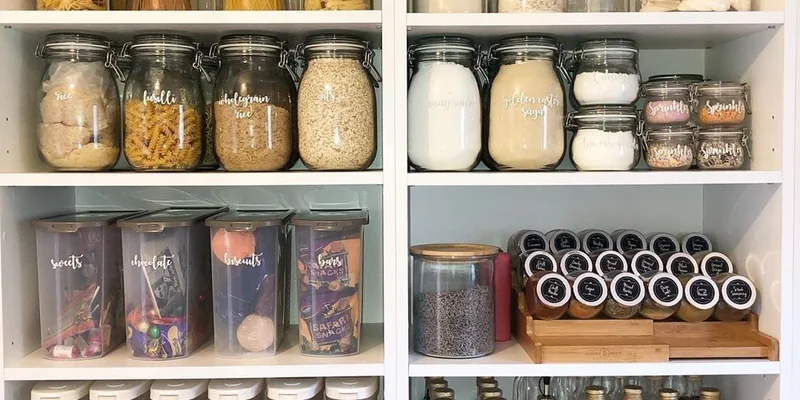
10. Organize Your Pantry by Category
A disorganized pantry makes it difficult to find ingredients and keep track of what you already have. Arrange similar items together so everything has a clear place.
For example, keep pasta and rice on one shelf, canned foods on another, and snacks in a separate section. Place frequently used ingredients at eye level so you can reach them easily.
11. Use Clear Containers for Food Storage
Clear containers make it easier to see what you have in your kitchen cabinets and pantry. They are useful for storing dry foods such as flour, sugar, rice, pasta, and cereal.
Choose airtight containers to keep food fresh and protect it from moisture and pests. Add labels if you store similar-looking ingredients in different containers.
12. Keep Kitchen Counters Clear
Too many items on kitchen counters make the space look cluttered and leave less room for food preparation. Keep only the appliances and items you use regularly on the counter.
Store extra utensils, small appliances, and other kitchen supplies inside cabinets or drawers. Wipe down the counters regularly to keep the area clean and ready to use.
13. Organize Your Refrigerator
A well-organized refrigerator makes it easier to find food and prevents items from getting forgotten at the back. Group similar foods together and use small bins to separate different categories.
Keep leftovers in clear, labelled containers so you can identify them easily. Also, check expiration dates regularly and move older items toward the front.
14. Use Hooks to Hang Everyday Items
Hooks are an inexpensive way to create extra storage around your home. You can install them behind doors, inside closets, or on empty walls.
Use them for coats, bags, towels, keys, and cleaning tools. They keep frequently used items accessible and prevent them from ending up on chairs or countertops.
15. Sort and Organize Your Wardrobe
A crowded wardrobe makes it difficult to find clothes and keep everything in order. Start by removing clothes you no longer wear and separating the remaining items by category.
Keep shirts together, trousers in one section, and dresses in another. You can also arrange clothes by colour if that makes them easier to find.
16. Store Seasonal Clothes Separately
You do not need all your clothes taking up space in your wardrobe throughout the year. Store seasonal clothing that you are not currently using in labelled boxes or vacuum storage bags.
For example, keep heavy winter jackets and sweaters packed away during warmer months. Place the containers under your bed or on a high closet shelf.
17. Use Under-Bed Storage
The space under your bed is useful for storing items that you do not need every day. Instead of letting this area collect dust, use it for extra storage.
Flat storage boxes and rolling containers are good options. You can store spare bedding, seasonal clothes, shoes, and other belongings in them.
18. Organize Your Bathroom Cabinets
Bathroom cabinets often become cluttered with toiletries, skincare products, medicines, and cleaning supplies. Use small baskets or dividers to separate these items by category.
Keep everyday products in an accessible section and store backups separately. Also, check expiration dates and remove empty or unused products regularly.
19. Add Shelves Above the Toilet
The wall above your toilet is often unused, making it a good place for additional bathroom storage. Install a small shelf or a suitable over-the-toilet storage unit.
Use it for extra toilet paper, towels, toiletries, and small storage baskets. Avoid overcrowding the shelves so the bathroom does not look messy.
20. Keep Cleaning Supplies Together
Searching through different cabinets for cleaning products wastes time. Keep your everyday cleaning supplies in one designated area.
Use a caddy or basket to carry items such as surface cleaner, sponges, microfiber cloths, and gloves from one room to another. Store products safely and keep them away from children and pets.
21. Create a Laundry Station
A dedicated laundry area makes it easier to manage dirty clothes and washing supplies. Even if you have limited space, a few baskets can help keep the process organized.
Use separate baskets for lights, darks, and delicate clothes. Keep detergent, fabric softener, and other laundry supplies together on a nearby shelf.
22. Organize Cables and Chargers
Loose cables and chargers can make desks, TV units, and bedside tables look untidy. Use cable clips, ties, or small storage boxes to keep them under control.
Label chargers if you have several similar ones. You can also use a cable organizer to keep extra wires together and prevent them from getting tangled.
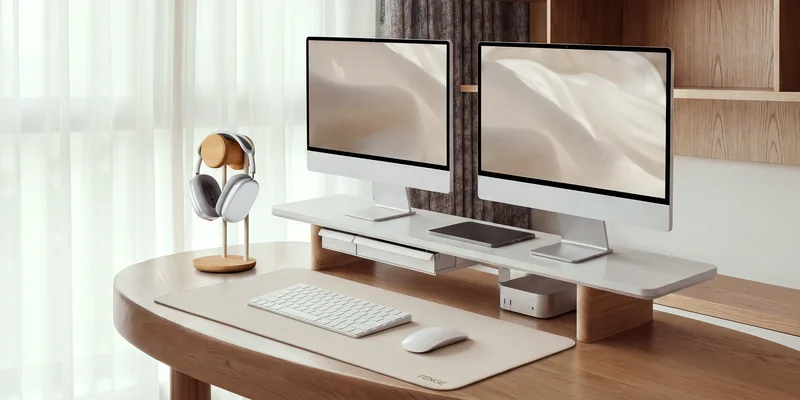
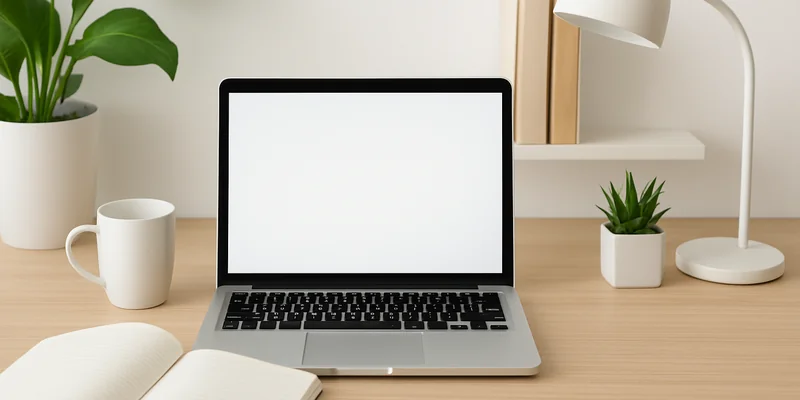
23. Set Up a Dedicated Workspace
If you work or study at home, create a specific area for these activities. It does not need to be a separate room. A small desk in a quiet corner can work just as well.
Keep your laptop, stationery, notebooks, and other work essentials together. Remove unrelated items from the desk so you have enough space to focus.
24. Use Magazine Holders for Paperwork
Important documents, bills, and letters can easily pile up on tables and shelves. Magazine holders provide a simple way to keep paperwork organized.
Use separate holders for bills, receipts, school documents, and other important papers. Label each holder so you can find what you need without searching through a large pile.
25. Create a Family Calendar
A shared family calendar helps everyone keep track of appointments, activities, and important dates. Place it somewhere visible, such as the kitchen or hallway.
Write down upcoming events, household tasks, and deadlines. If you prefer a digital option, use a shared calendar that family members can access from their phones.
26. Keep a Donation Box at Home
Instead of waiting until you have a lot of unwanted items, keep a donation box in a closet or another convenient spot. Whenever you find something you no longer need, place it in the box.
Once it is full, sort through the contents and donate items that are still in good condition. This simple habit prevents unused belongings from building up around your home.
27. Use Multi-Purpose Furniture
Multi-purpose furniture helps you save space while keeping your belongings organized. It is especially useful in smaller homes and rooms with limited storage.
Consider an ottoman with hidden storage, a bed with built-in drawers, or a coffee table with shelves. These pieces provide extra storage without requiring additional furniture.
28. Organize Toys in Easy-to-Access Bins
If you have children, toys can quickly spread across different rooms. Use open bins or baskets to give each type of toy a designated place.
Keep similar toys together, such as building blocks, dolls, puzzles, and stuffed animals. Choose lightweight containers that children can easily access and use to put their toys away.
29. Follow a 10-Minute Daily Reset
You do not need to spend hours organizing your home every day. Set aside 10 minutes to put things back in their places and handle small messes.
Clear the kitchen counter, fold blankets, put away shoes, and return misplaced items to their designated spots. Doing this regularly prevents small messes from turning into bigger cleaning tasks.
30. Put Things Back After Using Them
One simple habit can make a big difference in keeping your home organized: return items to their proper places after using them.
Put scissors back in the drawer, hang your coat after coming home, and return kitchen utensils to their storage area. These small actions take only a few seconds but help prevent clutter from building up.
Conclusion
Keeping your home organized does not require complicated systems or expensive storage products. Simple changes, such as using baskets, assigning places to everyday items, and following a short daily reset, can make household tasks easier.
Start with the areas that cause you the most trouble and introduce a few habits at a time. With regular effort, it becomes easier to maintain a tidy and organized home.
Frequently Asked Questions
1. How can I organize my home quickly?
Start by removing visible clutter and putting misplaced items back in their designated places. Focus on one room at a time and use baskets to group small belongings.
2. How do I keep my house organized every day?
Spend 10 minutes each day putting things away and clearing commonly used areas. Also, return items to their proper places immediately after using them.
3. What is the easiest way to organize a small home?
Make use of vertical space, under-bed storage, and multi-purpose furniture. Also, avoid keeping items you rarely use.
4. How often should I declutter my home?
Do small decluttering tasks regularly to prevent unnecessary items from piling up. A more thorough decluttering session every few months can also help.
5. How can I organize my home on a budget?
Use items you already have, such as boxes, jars, and baskets, for storage. You can also rearrange existing furniture and install inexpensive hooks or shelves to create more space.
Leave a Reply