
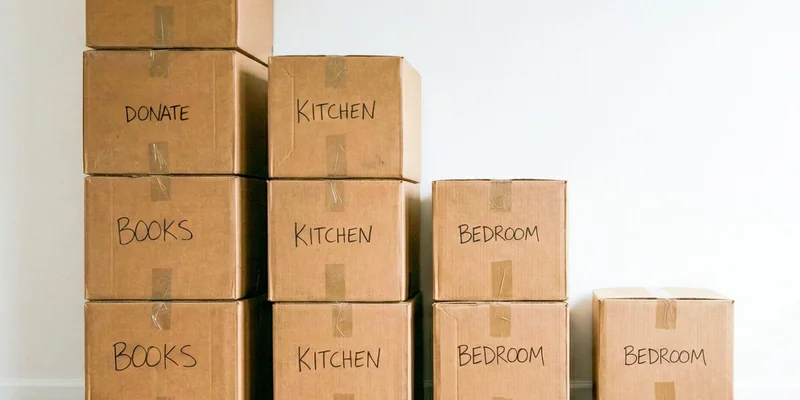
Looking at a cluttered home can make it difficult to decide what to do first. You might notice messy countertops, overflowing drawers, piles of clothes, and things that no longer have a proper place. Trying to tackle everything at once can make the task feel even bigger.
The easiest way to get started is to break decluttering into smaller tasks. You don’t need to organize your entire home in one day. Start with a manageable area, make a few simple decisions, and gradually work through the rest of your belongings.
Identify the Most Cluttered Areas
Before picking up anything, walk through your home and identify the areas that need the most attention. Notice which spaces have accumulated the most clutter and which ones make your daily routine difficult.
For example, your kitchen countertops might be covered with unused appliances, or your bedroom might have piles of clothes on the floor. You may also have a crowded entryway where shoes, bags, and other belongings collect.
Make a short list of these areas and decide which one to tackle first. Prioritize spaces that you use frequently or that make your home feel particularly messy. This gives you a clear starting point instead of trying to work on several rooms at once.
Start With One Small Area
Once you have identified where to begin, choose a small area within that space. It could be a single drawer, one shelf, a kitchen countertop, or a bedside table.
Avoid starting with an entire room, especially if it contains several years of accumulated belongings. A large task can take hours and leave you with even more mess if you cannot finish it.
Instead, focus on completing one small area. Take everything out, separate the items you want to keep from those you no longer need, and put the remaining belongings back neatly.
Completing even a small section can make the room feel more manageable. You can then move to another shelf or drawer when you are ready.
Get Rid of Obvious Trash First
If you are struggling to decide what to remove, start with things that clearly belong in the trash. These items usually do not require much thought, making them an easy first step.
Look for empty product containers, expired toiletries, old receipts, unnecessary packaging, broken items, and papers you no longer need. Also, check your kitchen for expired food and unused packaging taking up cabinet space.
Carry a trash bag with you as you move through the area. Remove these items before sorting the rest of your belongings.
This simple step can clear some visible clutter and make it easier to focus on things that require more consideration.
Sort Items Into Keep, Donate, and Discard Piles
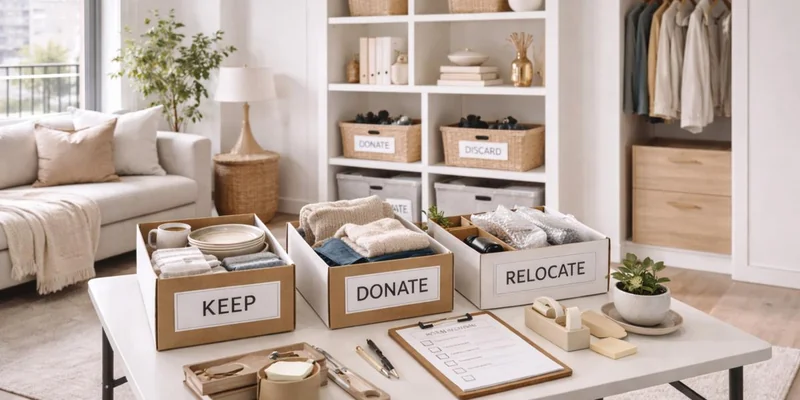
After removing obvious trash, start sorting the remaining belongings. A simple way to do this is to create three separate piles:
- Keep: Items you regularly use, need, or genuinely want to keep.
- Donate: Belongings that are still in good condition but no longer serve a purpose in your home.
- Discard: Broken, damaged, or unusable items that cannot be donated.
As you sort, try to make decisions based on how useful each item is. If you have several similar items, consider whether you actually need all of them.
You can also create a separate box for things that belong in other rooms. For example, put misplaced books, kitchen utensils, and bathroom products together so you can return them to their proper places later.
Avoid leaving sorted items in piles for several days. Put away the things you want to keep and arrange to donate or discard the rest.
Declutter One Category at a Time
Sometimes, clutter is spread across different rooms. You might have clothes in your bedroom, books in the living room, and unused kitchen items in several cabinets.
In this situation, working through one category at a time can make the process easier. Instead of focusing on individual rooms, choose a specific type of belonging and decide what you want to keep.
For example, when decluttering clothes, look for items that no longer fit, have not been worn in a long time, or are no longer in good condition. When sorting kitchenware, remove duplicate utensils, unused containers, and appliances you rarely need.
You do not have to gather every item from the entire house at once. Start with one category in a manageable area and continue when you have finished.
Deal With Items You’re Unsure About
Some belongings are harder to remove than others. You might keep old clothes because they were expensive, hold onto gifts because someone gave them to you, or save unused items because you think you might need them someday.
Instead of spending too much time on these decisions, ask yourself a few simple questions:
- When did I last use this item?
- Do I have another item that serves the same purpose?
- Would I buy this again if I needed it today?
- Do I have enough space to keep it?
Your answers can help you decide whether something deserves a place in your home.
If you are still unsure, put the item in a separate box and revisit it later. This gives you time to think without interrupting your progress. However, avoid turning this box into permanent storage. Set a date to review its contents and make a final decision.
Work Through Your Home Room by Room
Once you have finished your first area, gradually move through the rest of your home. Working room by room gives you a clear order and helps prevent you from jumping between unrelated tasks.
You can follow a simple order:
- Bedroom: Declutter clothes, bedside tables, dressers, and under-bed storage.
- Kitchen: Sort utensils, cookware, food containers, pantry items, and countertops.
- Living room: Remove unused decorations, old magazines, unnecessary electronics, and items that do not belong there.
- Bathroom: Check toiletries, expired products, old towels, and unused storage items.
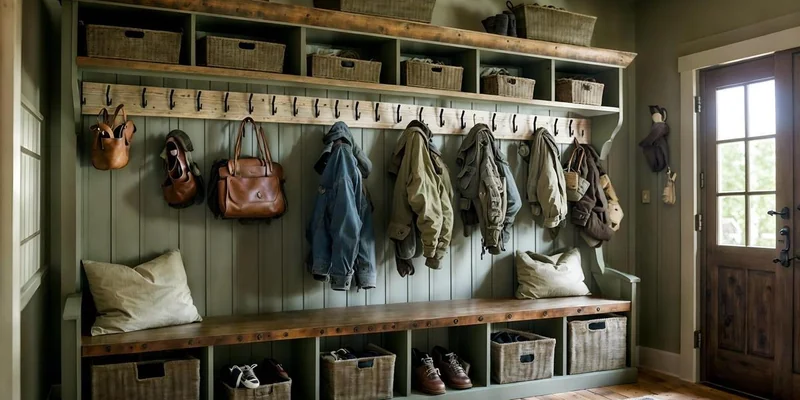
- Entryway: Sort shoes, bags, jackets, and other belongings that collect near the entrance.
Break each room into smaller sections if it contains too much clutter. Finish one section before moving to the next.
Also, avoid shifting unwanted belongings into another room just to make the current space look clean. Decide where each item belongs and remove things you no longer need.
Final Words
When you don’t know where to start decluttering, focus on making the first step as simple as possible. Identify the areas that need attention, choose one small section, and begin removing things you no longer use.
You can gradually work through different categories and rooms as you make progress. There is no need to finish everything in one day. A few manageable tasks at a time can help you clear your home without feeling overwhelmed.
Frequently Asked Questions
1. What is the easiest way to start decluttering?
Start with one small area, such as a drawer, shelf, or countertop. Remove obvious trash and sort the remaining items.
2. What should I declutter first?
Start with areas that have the most visible clutter or affect your daily routine. Kitchen counters, bedroom surfaces, and entryways are good places to begin.
3. How do I decide what to throw away when decluttering?
Get rid of broken items, expired products, and belongings you no longer use. Donate things that are still in good condition but no longer serve a purpose in your home.
4. How long should I spend decluttering each day?
Start with 15 to 30 minutes a day if you have a busy schedule. You can gradually increase the time as you become more comfortable with the process.
5. How do I declutter when I feel overwhelmed?
Break the task into smaller sections instead of trying to organize an entire room at once. Focus on one manageable area and take breaks when needed.


Leave a Reply