
Decluttering your home can feel like a big task, especially when you have years of accumulated belongings. However, you don’t need to organize everything in one day. Working through your home one room at a time makes the process easier and less stressful.
The key is to start small, decide what you actually need, and find a proper place for the things you want to keep. This room-by-room plan will help you get started and make your home easier to manage.
Prepare Before You Start Decluttering
Before going through your belongings, take a little time to prepare. Having a simple plan will help you stay organized and avoid making a bigger mess.
Here are a few things to do first:
- Gather your supplies: Keep some trash bags, boxes, and cleaning cloths nearby.
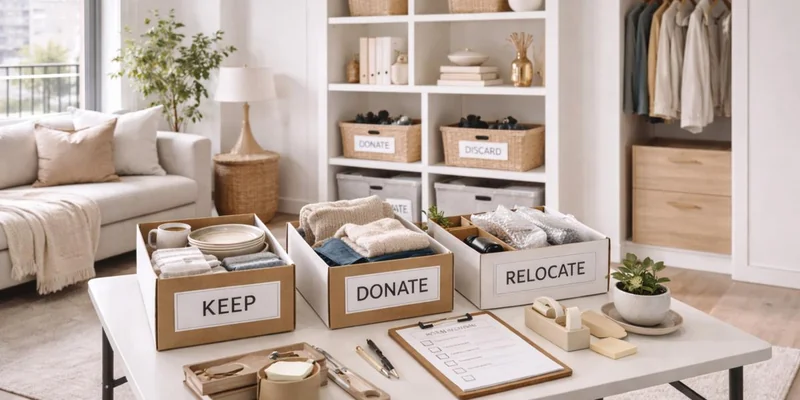
- Create sorting categories: Prepare four categories: Keep, Donate, Sell, and Throw Away. This will help you decide where each item belongs.
- Start with a small area: If a room feels overwhelming, begin with one drawer, shelf, or corner.
Once everything is ready, you can start working through your home.
Declutter Your Living Room
The living room often collects items from different parts of the home. You may find old magazines, unused decorations, toys, and other belongings that don’t need to be there.
Start by removing anything that belongs in another room. Then work on the following areas:
- Books and magazines: Keep the books you enjoy or plan to read. Recycle old magazines and papers you no longer need.
- Decorations: Remove decorations that you no longer like or that take up too much space.
- Furniture: Consider removing unused chairs, side tables, or other furniture that makes the room feel crowded.
- Entertainment area: Organize remote controls, gaming accessories, cables, and other items around your TV.
Finish by wiping down the surfaces and arranging the remaining items neatly.
Declutter Your Kitchen
Kitchens can collect many unused utensils, duplicate tools, old containers, and expired food items. Removing these things will free up cabinet space and make cooking easier.
Start with your countertops, then move to cabinets, drawers, and pantry shelves.
- Expired food: Check your refrigerator, freezer, and pantry. Throw away expired or spoiled food.
- Kitchen tools: Remove broken utensils, damaged cookware, and tools you never use.
- Food containers: Get rid of containers without matching lids or those that are cracked or damaged.
- Countertops: Remove appliances and other items you rarely use. Keep only the essentials within easy reach.
- Pantry items: Group similar foods together and place frequently used ingredients where you can easily reach them.
Also, avoid keeping too many duplicate items. A few useful kitchen tools are usually enough for everyday cooking.
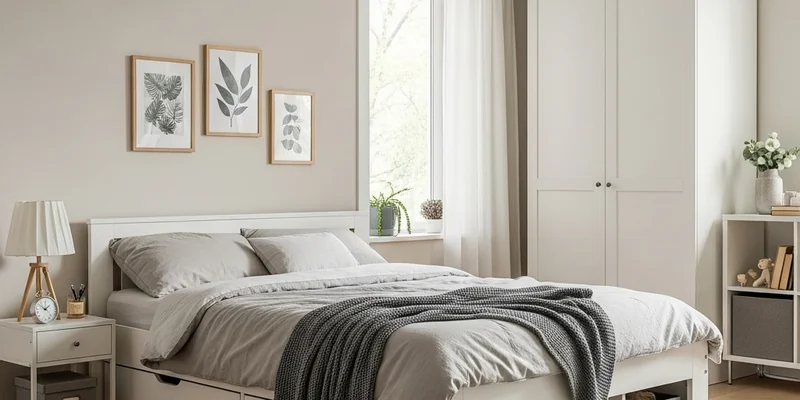
Declutter Your Bedroom
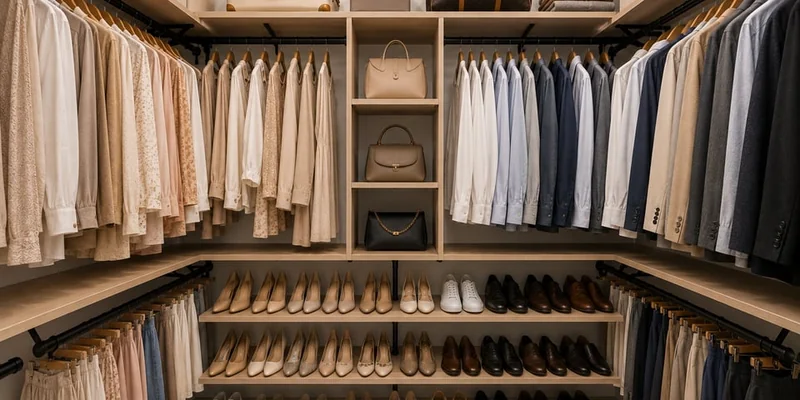
Your bedroom should be a comfortable place to rest. However, clothes, shoes, accessories, and other belongings can quickly take over the available space.
Start with your wardrobe and work your way around the room.
- Clothes: Separate the clothes you regularly wear from those you no longer need. Donate or sell items that are still in good condition.
- Shoes and bags: Keep the pairs and bags you actually use. Remove damaged or unused ones.
- Nightstands: Clear old receipts, empty bottles, books, and other unnecessary items from your bedside table.
- Dressers: Sort through drawers and remove items you no longer need.
- Under the bed: Check for old boxes, unused shoes, and other forgotten belongings.
Once you’re done, arrange your remaining clothes and accessories so you can easily find them.
Declutter Your Bathroom
Bathrooms usually have limited storage space, so even a few unnecessary products can make them feel cluttered.
Go through your cabinets, drawers, and shelves. Remove the following items:
- Expired skincare, makeup, and personal care products.
- Empty shampoo, conditioner, and body wash bottles.
- Old toothbrushes and worn-out grooming tools.
- Unused toiletries and products you no longer like.
- Expired medicines that need proper disposal.
After sorting everything, group similar products together. For example, keep skincare products in one section and hair care products in another.
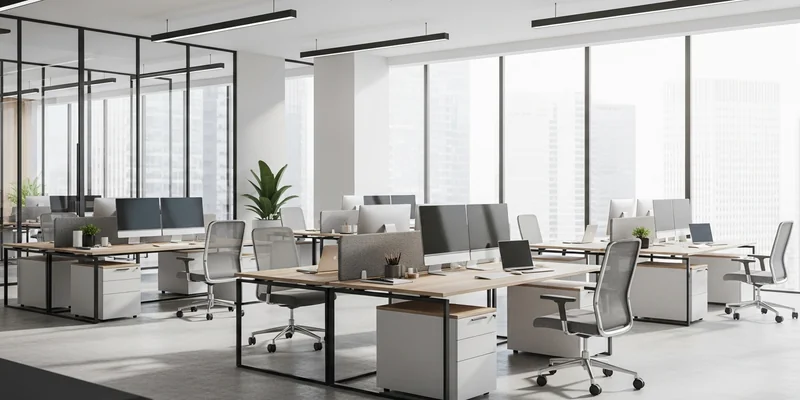
Declutter Your Home Office
A home office can quickly become cluttered with paperwork, stationery, cables, and electronic accessories. Keeping this area organized can also make it easier to focus on your work.
Start by clearing your desk and sorting through the items around it.
- Paperwork: Shred or recycle unnecessary documents. Keep important papers in labeled folders.
- Stationery: Remove dried-out pens, broken supplies, and items you no longer use.
- Cables and chargers: Keep the cables you need and remove damaged or duplicate ones.
- Electronics: Set aside old devices and accessories you no longer use. Recycle electronic waste responsibly.
- Desk space: Remove unnecessary decorations and other items that take up working space.
Try to keep your desk clear except for the things you use regularly.
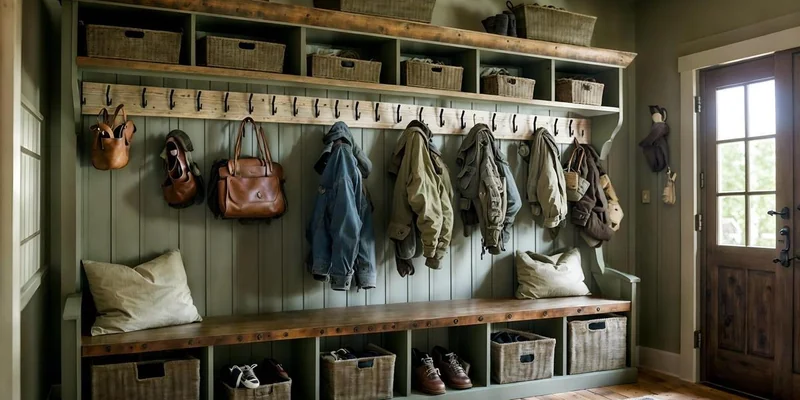
Declutter Your Entryway and Hallways
Entryways and hallways are easy to overlook when decluttering. However, they often collect shoes, coats, bags, keys, and mail.
Start by removing anything you no longer need. Then organize the remaining belongings.
- Keep only the shoes you regularly wear near the entrance.
- Remove old coats, jackets, and bags that you no longer use.
- Create a small space for keys, wallets, and other everyday essentials.
- Sort through old mail and throw away unnecessary papers.
- Remove decorations and furniture that make walkways difficult to use.
Keep these areas as clear as possible so you can move around easily.
Declutter Storage Areas and Closets
Storage rooms, closets, and garages often become dumping grounds for things we don’t know where to put. Over time, these spaces can fill up with forgotten belongings.
Take everything out of one section at a time and sort through it.
- Old boxes: Open stored boxes and check what’s inside. Remove anything you no longer need.
- Seasonal items: Keep useful seasonal clothes, decorations, and equipment, but avoid storing things you haven’t used in years.
- Unused belongings: Donate or sell items that are still in good condition.
- Broken items: Get rid of damaged belongings that cannot be repaired or reused.
- Storage containers: Use labeled boxes to group similar items together.
Also, avoid filling empty storage space with unnecessary purchases. The goal is to make storage areas easier to use, not to fill every available space.
What to Do With Items You No Longer Need
Once you’ve finished sorting your belongings, decide what to do with each item. Don’t let unwanted things sit in boxes for months.
Here are a few simple options:
- Donate: Give usable clothes, books, furniture, and household items to local charities or people who need them.
- Sell: Sell valuable items that are still in good condition through local marketplaces.
- Recycle: Recycle paper, cardboard, glass, plastic, and other suitable materials.
- Throw away: Dispose of damaged or unusable items responsibly.
Try to remove the unwanted items from your home as soon as possible. This will prevent them from becoming another source of clutter.
Simple Tips to Keep Your Home Clutter-Free
Decluttering your home is one thing, but keeping it organized requires regular effort. A few simple habits can help prevent clutter from building up again.
- Put things back after using them: Return items to their proper places instead of leaving them on countertops, tables, or chairs.
- Follow the one-in, one-out rule: When you bring something new into your home, consider removing a similar item you no longer need.
- Spend 10–15 minutes tidying up: A short daily cleanup can help keep your home organized.
- Avoid unnecessary purchases: Think before buying something new. Make sure you actually need it and have space for it.
- Declutter regularly: Check your drawers, cabinets, and storage areas every few months to remove things you no longer use.
These small habits can make it much easier to maintain a tidy home.
Conclusion
Decluttering your home doesn’t have to be a difficult or exhausting task. Start with one room, sort through your belongings, and remove the things you no longer need. You can work at your own pace and move to the next room when you’re ready.
Also, remember that keeping your home organized is an ongoing process. A little regular effort can prevent clutter from building up and make your living space easier to manage.
Frequently Asked Questions
1. What is the easiest way to start decluttering your home?
Start with one small area, such as a drawer, shelf, or corner. Sort your belongings into things to keep, donate, sell, or throw away.
2. Which room should I declutter first?
Start with the room that feels easiest to organize. You can begin with your bedroom, living room, or any area that needs attention.
3. How often should I declutter my home?
A quick decluttering session every few weeks can help keep your home organized. You should also do a bigger cleanup every few months.
4. How do I decide what to keep and what to throw away?
Keep items you use regularly, need, or genuinely enjoy. Donate, sell, or throw away things that no longer serve a purpose.
5. How can I declutter my home without feeling overwhelmed?
Work on one room or small area at a time instead of tackling everything at once. Set a short daily goal and take breaks when needed.
Leave a Reply